The best civic education I have received did not come from a textbook. It came from listening to the students beside me at Yakima Valley College — many of them the children of farmworkers — who already understand budgets and belonging better than most campaign memos I expect to read in my career.
What young people actually know
There is a persistent myth that young people do not care about civics. Spend one week in a Running Start classroom in Yakima and the myth falls apart. My classmates can tell you exactly which bus routes fail after 6 p.m., which grocery stores closed in East Valley, and which of their cousins had to move away because rent tripled. That is not apathy. That is policy analysis — delivered in Spanglish, at a lunch table, by people the polling industry has written off.
The difference is that nobody has taught them that what they know is data. They think politics is a thing that happens in Olympia to them, rather than a conversation they are already having.
A school funding formula is a classroom with thirty students and twenty chairs. My classmates live inside the formulas.
Three lessons from the classroom
1. Cost-of-living is the real curriculum
In the Yakima Valley, the abstract numbers on a state budget sheet have faces. Every discussion of the minimum wage, agricultural overtime, or housing supply is a discussion about someone's uncle. Students here do not need hypotheticals to engage; they need someone to connect the theory to the table it came from.
2. Trust is infrastructure
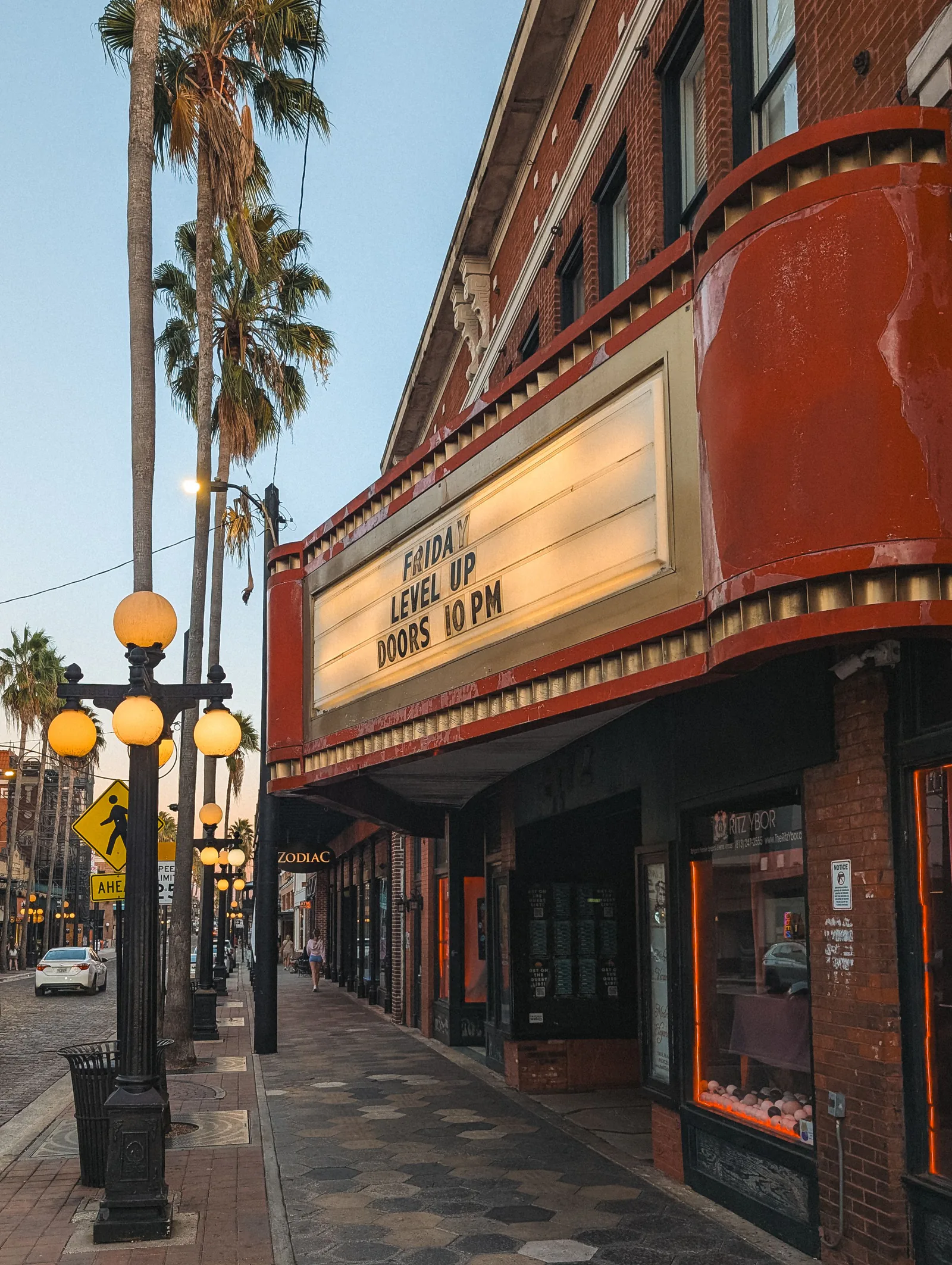
The most effective programs I have seen in this county are not the most funded. They are the ones with a person everyone trusts at the front desk — a librarian, a coach, a church volunteer. You can legislate a program. You cannot legislate trust. That is why investing in libraries, theaters, and community centers matters more than any single policy paper.
3. The Valley teaches patience
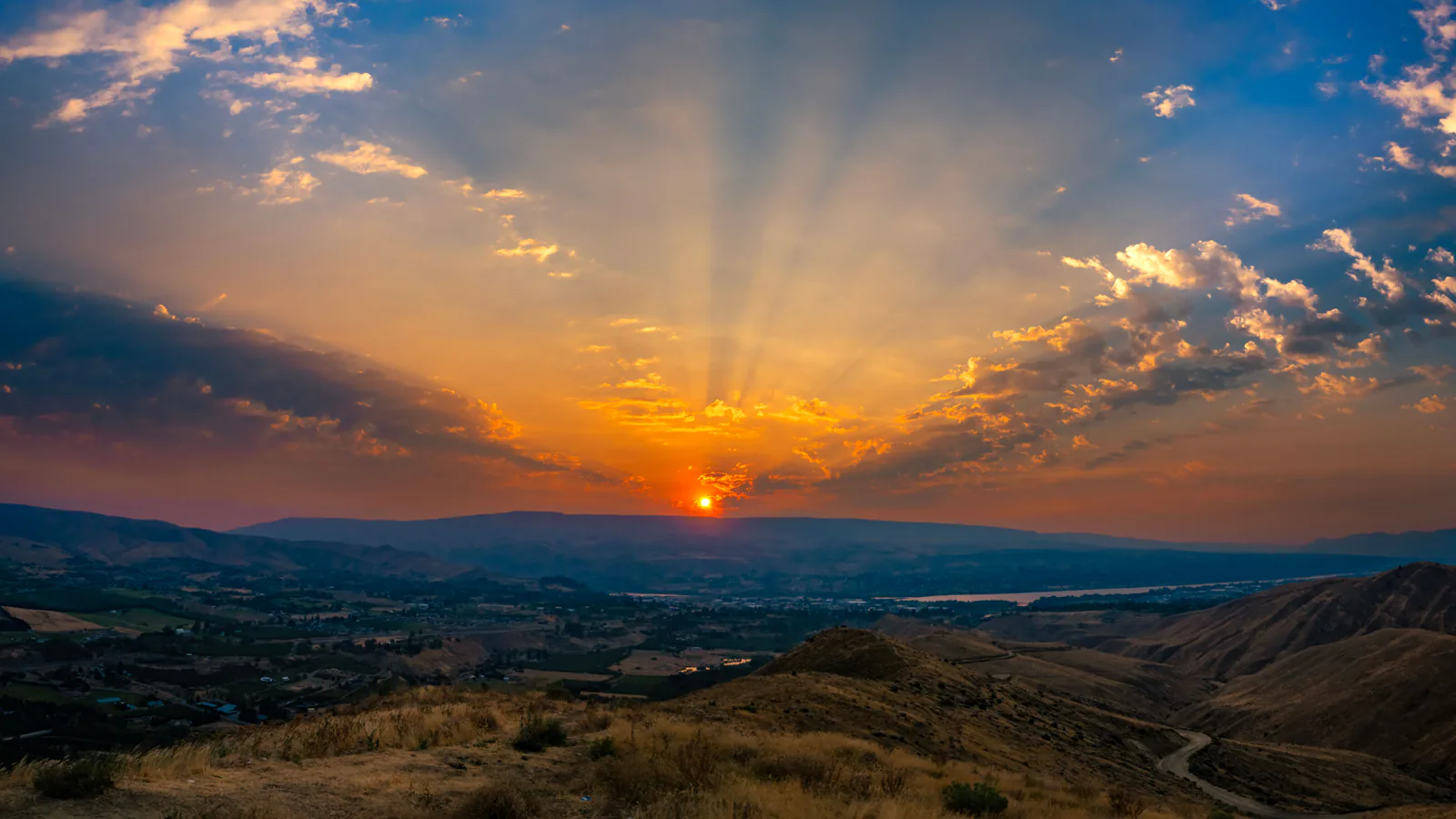
Everything here grows on a season, not a schedule. Apples, hops, asparagus — and, I suspect, political careers. There is a discipline in watching a farmer tend an orchard for years before the first real harvest. I am trying to build this website, and whatever comes after it, the same way: patiently, season by season.
What I would tell the adults in the room
Invite a young person to the meeting. Not the photo-op — the budget committee. Let us read the agenda, ask our impossible questions, and waste your time. The return on that investment is measured in decades, and this Valley has always been good at thinking in seasons.
Next month: what the state legislature's short session means for rural school districts, explained by someone who is still doing the homework.